How Does Speech and Language Therapy Work? A Step-by-Step Guide for Singapore
Published on 6th April, 2026

Communication challenges are more common than many people realise. The CDC reports that about 1 in 13 children in the U.S. has a communication disorder, while in Singapore, thousands of children are diagnosed each year with developmental needs that include language delays.
Among adults, communication difficulties are also widespread, especially after stroke, brain injury, and other neurological conditions.
If you are searching for answers, you are likely not here out of curiosity. You are here because communication has become a barrier, for you or someone you care about. So let’s get straight to it. How does speech and language therapy work, especially in a Singapore context where options, costs, and expectations can feel overwhelming?
It works through structured, evidence-based intervention led by licensed professionals who assess, plan, and actively train communication skills over time. But that clinical definition does not help you decide what to do next.
This guide will.
Key Takeaways:
- How does speech and language therapy work involves assessment, goal setting, structured sessions, and consistent practice beyond the clinic to drive measurable communication improvements.
- Early, tailored intervention in Singapore leads to better outcomes, especially when therapy aligns with real-life environments like home, school, or work.
- Progress depends on active participation, including caregiver involvement for children and daily practice for adults.
- Choosing a qualified, AHPC-registered therapist with a clear plan directly impacts how effective and efficient therapy will be.
How Does Speech and Language Therapy Work in Singapore’s Healthcare System?

In Singapore, you are not dealing with a one-size-fits-all system. You have two main pathways, and your choice affects cost, waiting time, and level of personalisation. Here is how the system actually operates:
Public route
- Access through polyclinics or hospitals like KK Women's and Children's Hospital
- Subsidised under schemes like Community Health Assist Scheme (CHAS)
- Longer wait times, often several months
Private route
- Private clinics such as Psych Connect
- Faster access, more flexible scheduling
- Higher costs, typically SGD 150 to SGD 300 per session
According to Singapore’s Ministry of Health, subsidies and early intervention programs are prioritised for children, especially under developmental support schemes.
If you are an adult seeking speech and language therapy in Singapore, you will likely rely more on private providers or hospital referrals.
How Does Speech and Language Therapy Work? Understanding the Basics

Before you can make an informed decision, you need clarity on what is actually being treated. Many people use the terms interchangeably, but in clinical practice, they mean very different things.
If you misunderstand this, you risk choosing the wrong type of support or delaying the right intervention. Here is the distinction that shapes everything that follows:
Speech, Language, and Communication Are Not the Same
When a therapist evaluates you or your child, they are not looking at “speech problems” as a single category. They are assessing three separate but
interconnected areas:
- Speech: This refers to the physical production of sounds. It includes articulation, voice quality, and fluency. If someone substitutes sounds, struggles with clarity, or stutters, this falls under speech.
- Language: This is about meaning. It covers how you understand words, form sentences, and organise thoughts. A person may speak clearly but still struggle to follow instructions or express ideas.
- Communication: This is the broader, real-world application. It includes social interaction, turn-taking, body language, and adapting speech depending on context. This is often where challenges appear in school, work, or relationships.
Speech and language therapy is designed to target one or all of these areas, depending on your specific profile. That is why no two therapy plans look the same.
What Therapy Actually Addresses in Practice
Once these domains are separated, the role of therapy becomes more precise and more actionable. Instead of vague improvement, you are working toward functional outcomes.
A therapist may focus on:
- Improving clarity of speech sounds so others can understand you
- Expanding vocabulary and sentence structure for better expression
- Strengthening comprehension to follow conversations or instructions
- Building confidence in social communication, especially in group settings
- voice control for professionals who rely on speaking daily
This is where many people begin to see the real value. Therapy is not just corrective. It is developmental, strategic, and often preventative.
It Is Not Just for Children. Here Is Where Adults Come In
There is a persistent assumption that therapy is mainly for children with developmental delays. That is outdated. In Singapore, adult speech-language therapy services are available for needs such as post-stroke rehabilitation, neurological conditions, and voice disorders.
If you are exploring speech and language therapy for adults, the approach becomes more functional and goal-driven. For adults, therapy is typically individualized around functional communication goals relevant to daily life, relationships, and work.
Speech and Language Therapy Singapore (SALTS), the professional association for speech and language therapists in Singapore, provides a therapist directory with Adult and Paediatric filters and lists services for both populations.
Why This Foundation Matters Before You Start Therapy
Understanding these distinctions does more than inform you. It protects you. If you walk into a clinic without clarity, you may accept a generic treatment plan that does not address your actual needs.
On the other hand, when you know whether the issue lies in speech, language, or communication, you can ask better questions, evaluate therapists more critically, and track progress with purpose.
At this stage, you are not just learning definitions. You are beginning to see, in practical terms, how speech and language therapy works. It is not guesswork–it is a structured process built on identifying the exact breakdown in communication and targeting it with precision.
That is what separates effective therapy from wasted time.
Step 1: Initial Assessment. What Actually Happens First
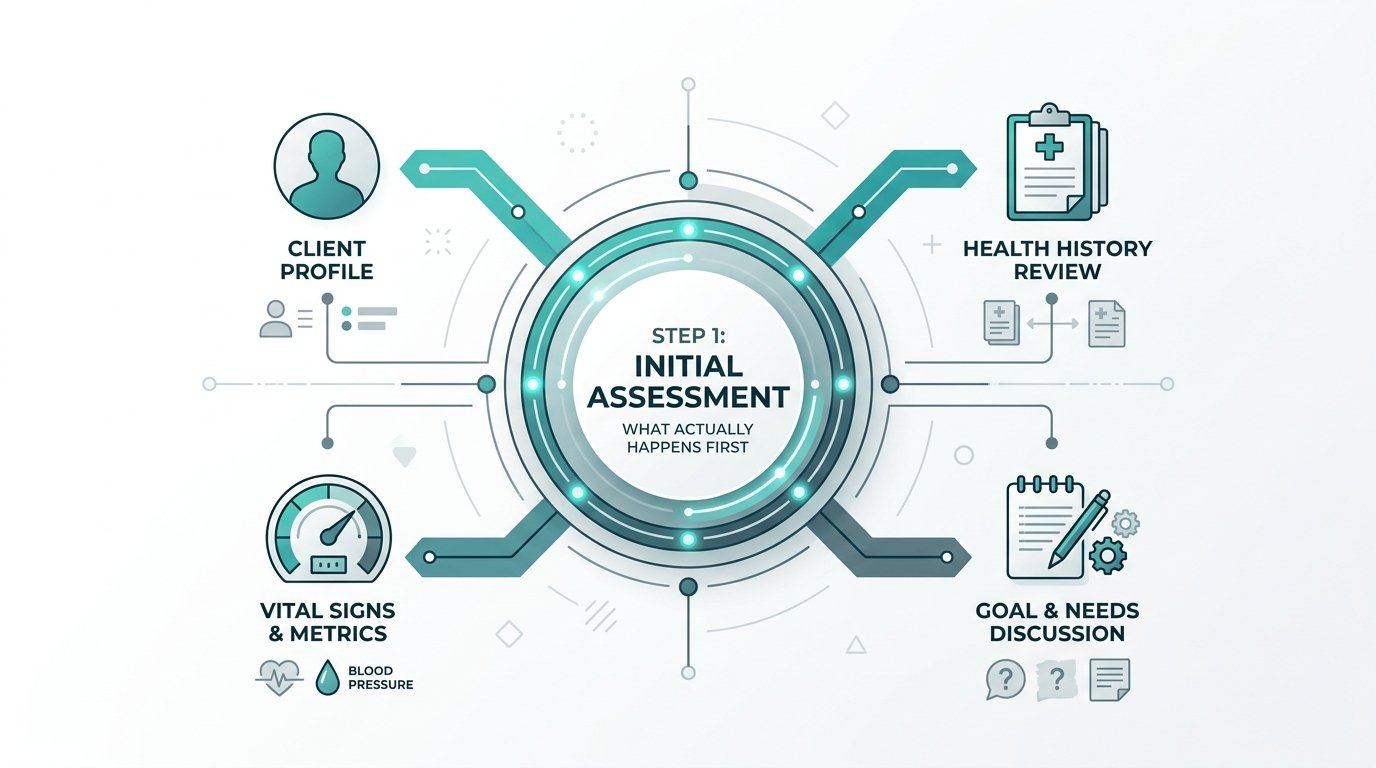
At Psych Connect, the process usually begins with an intake discussion followed by an assessment, rather than jumping straight into ongoing therapy.
A licensed therapist will:
- Take a detailed case history
- Observe communication in structured and natural settings
- Use standardised tools when needed
- Identify strengths, not just deficits
In Singapore, speech-language therapists must be registered with the Allied Health Professions Council and hold a valid Practising Certificate, and credentials can be checked through AHPC’s public register.
This matters because a rushed or vague assessment leads to wasted months of therapy.
Step 2: Goal Setting That Actually Drives Progress
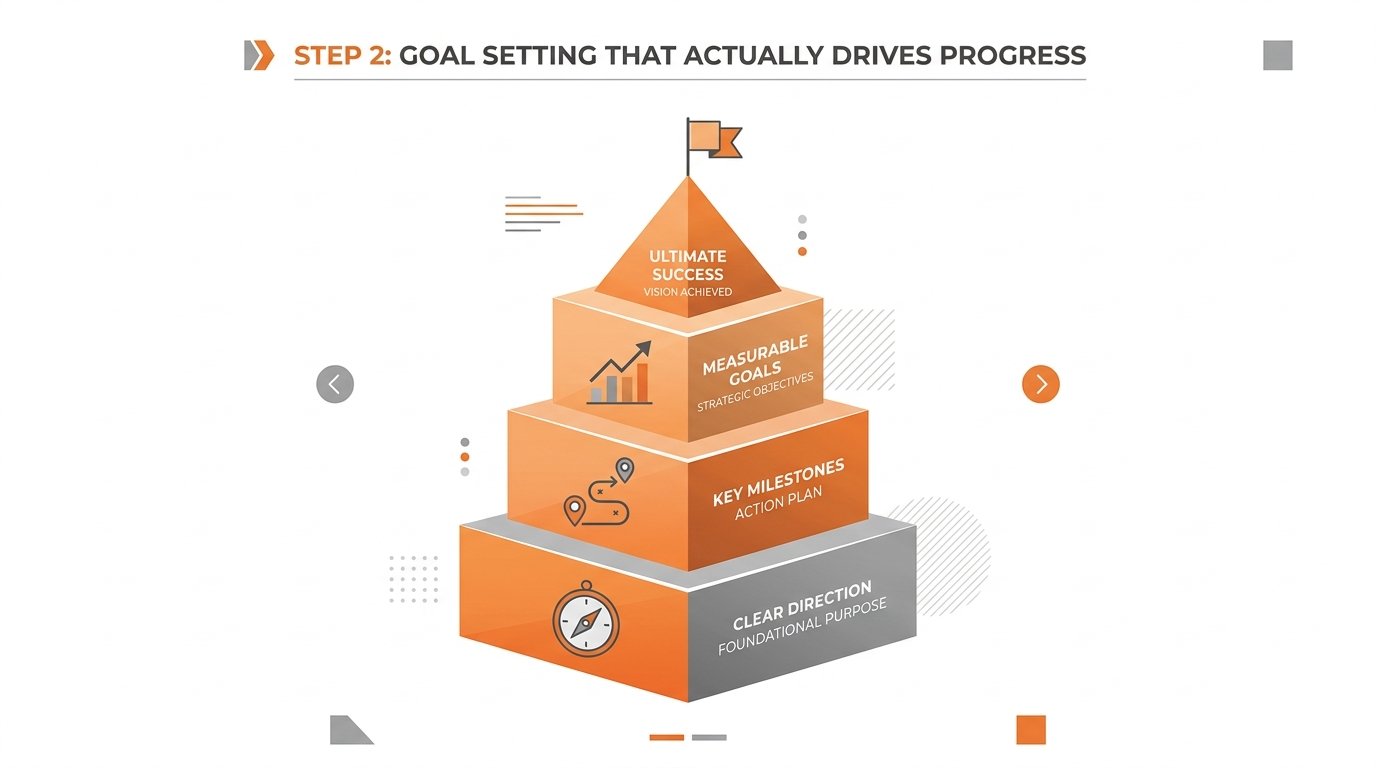
Once assessment is complete, therapy becomes strategic. After assessment, our therapist explains the findings and agrees with you on a small number of clear goals.
You are not working toward “better speech.” We work with you on a small number of clear goals like: - Being easier to understand - Following instructions with fewer repetitions - Speaking more smoothly - Participating in group discussions with more confidence
Good therapists involve you in this process. If they do not, that is a red flag.
Step 3: Therapy Sessions. What You Are Really Paying For
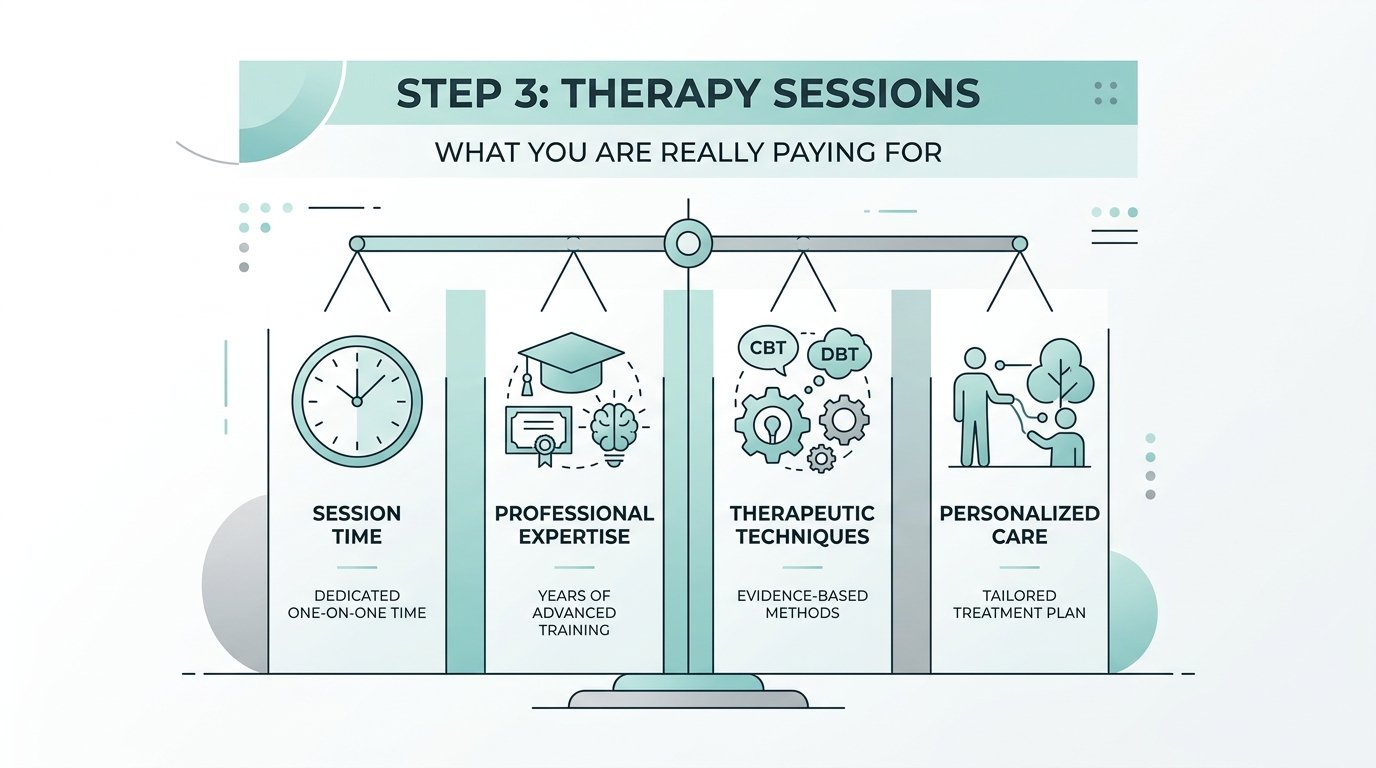
This is where most people misunderstand value. You are not paying for a 45-minute session. You are paying for expertise in behaviour change.
At Psych Connect, therapy sessions are built around agreed goals: for young children they may look like play; while for older children, teens, and selected adults they may involve guided practice, conversation, reading, and work- or school-related tasks.
ASHA-published materials emphasize carryover and generalization: families are encouraged to apply treatment goals in everyday experiences, and home exercise programs are used to maximize retention and generalization of skills learned during speech therapy.
Step 4: What Happens Outside the Clinic Matters More
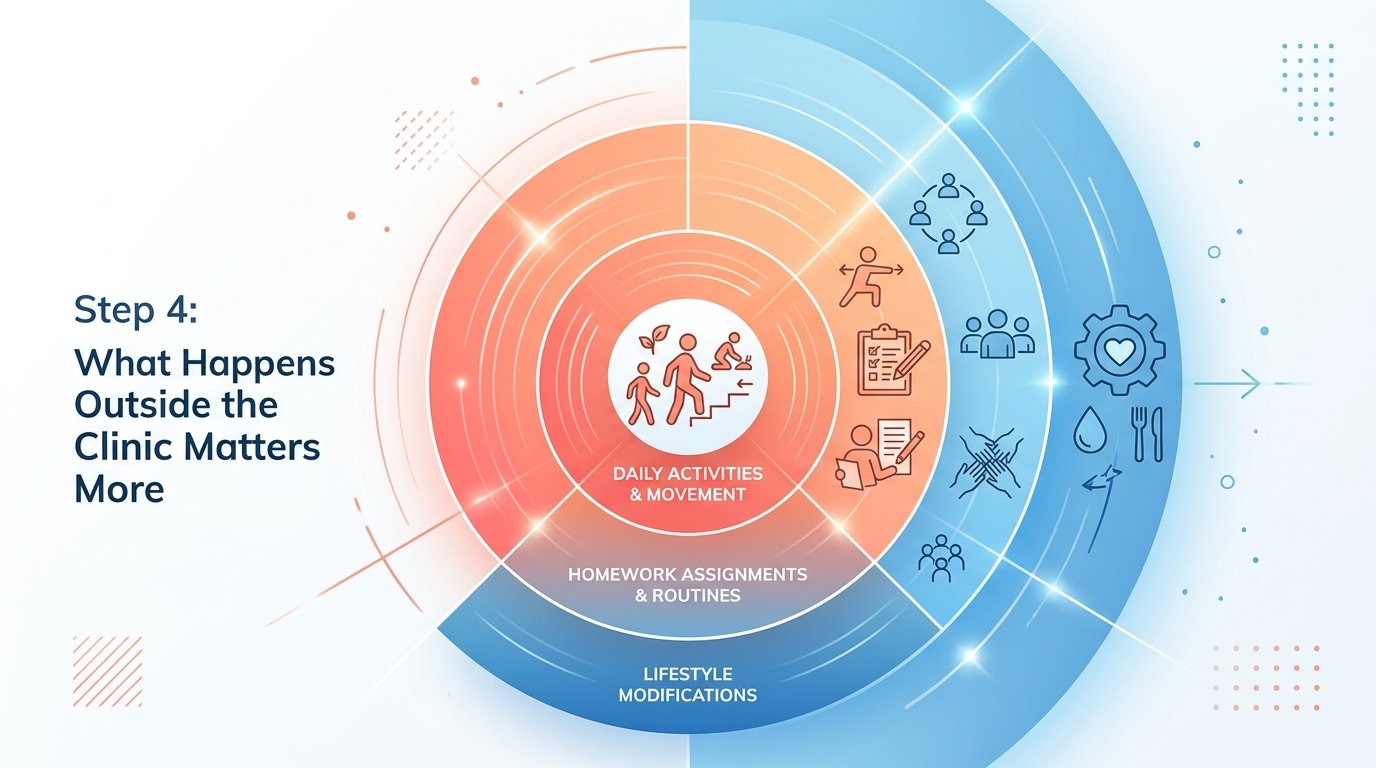
Here is the truth most clinics will not emphasise enough: A large part of progress happens between sessions. Our therapists suggest home practice and everyday-routine strategies, and caregiver involvement helps carry therapy over into daily life.
Research published by the National Institute on Deafness and Other Communication Disorders (NIDCD) says parents and caregivers should be involved in treatment so it becomes part of the child’s daily life, and it also describes family involvement as a crucial component of aphasia treatment.
If you skip this step, therapy slows down. Not because it failed, but because the system was incomplete.
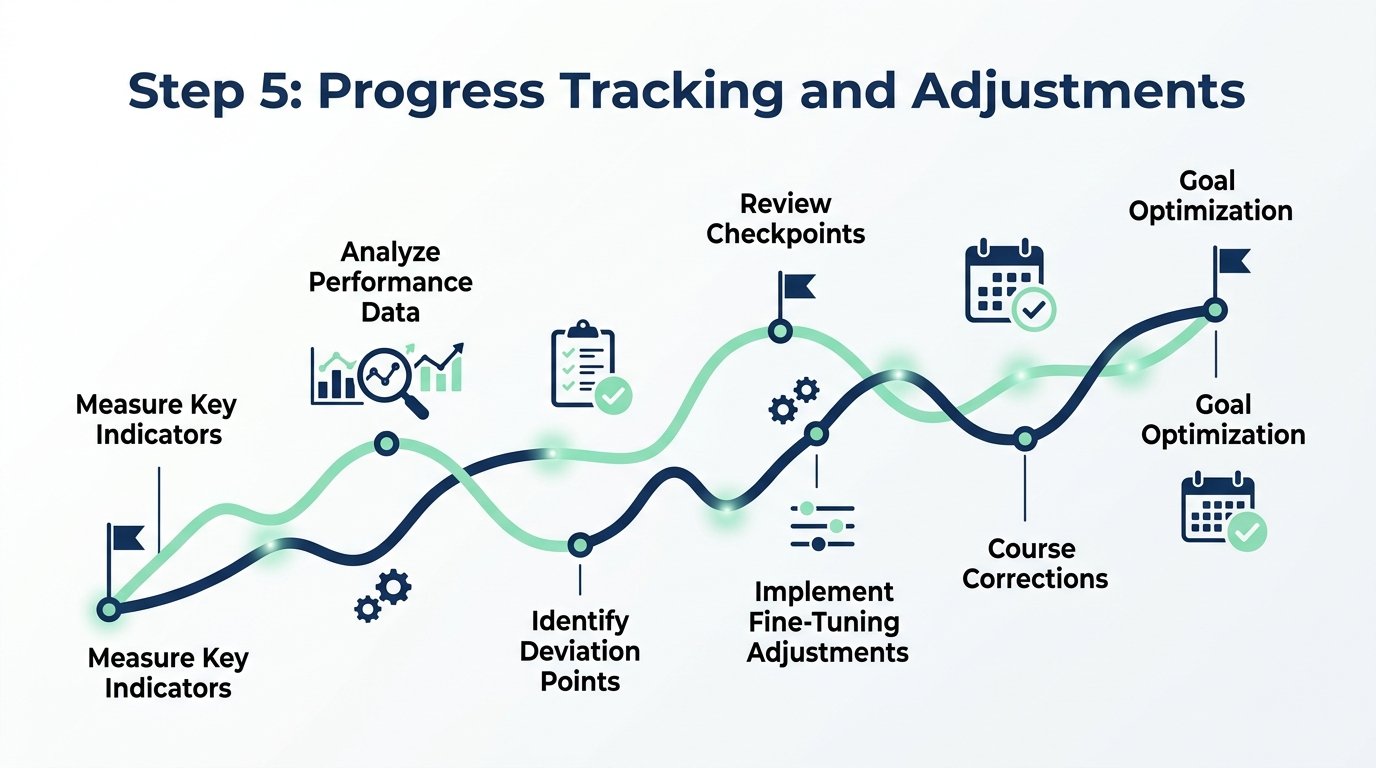
Step 5: Progress Tracking and Adjustments
You should never feel like you are stuck in a loop.
A structured therapy plan includes:
- Regular progress reviews
- Adjustments to techniques and goals
- Clear indicators of improvement
If your therapist cannot show measurable change after several sessions, ask why. At Psych Connect, progress is reviewed regularly and the therapy plan is adjusted so that it remains relevant and manageable.
At this stage, you begin to see clearly how speech and language therapy works in real life. It is iterative, data-driven, and responsive to your progress.
How Speech and Language Therapy Differs Across Age Groups
The short answer is this: Therapy is never one-size-fits-all. The way speech and language therapy is delivered changes significantly depending on your stage of life, your environment, and what communication actually needs to achieve for you day to day.
If you are a parent, your focus is likely developmental milestones and school readiness. If you are an adult, the priority shifts toward independence, clarity, and confidence in real-world situations. A good therapist does not just adjust activities; they reframe the entire approach.
Let’s break that down in a way that reflects how therapy actually works in practice:
Toddlers: Building Foundations Through Play and Interaction

At this stage, therapy is less about “teaching” and more about shaping how communication naturally develops. Toddlers are not expected to sit through structured drills, and forcing that approach often backfires.
Instead, therapy is embedded into play and daily routines. A therapist will typically:
- Use toys, songs, and repetition to model language
- Guide parents on how to respond to attempts at communication
- Focus on turn-taking, joint attention, and early vocabulary
You are not a passive observer here. You are part of the therapy.
A systematic review and meta-analysis found that parent-implemented language interventions were associated with improved child language and communication outcomes; CDC’s developmental resources also encourage early monitoring and parent engagement, but the evidence for treatment effectiveness is better supported by research reviews than by the CDC homepage.
In Singapore, some early-intervention programmes explicitly train and upskill parents or caregivers to use intervention strategies in the child’s daily routines at home.
School-Aged Children: Bridging Communication and Learning

Once a child enters school, the stakes change. Communication is no longer just developmental. It becomes academic, social, and behavioral.
Therapy now needs to support:
- Understanding classroom instructions
- Expressing ideas clearly in speech and writing
- Navigating peer interactions
This is where sessions become more structured, but still flexible enough to keep children engaged.
A typical approach may include:
- Language exercises tied to school topics
- Role-playing social scenarios
- Targeted work on grammar, comprehension, or articulation
School-based speech and language services commonly involve collaboration with teachers and support goals linked to classroom participation and learning. That alignment matters more than most parents realise.
When therapy goals reflect classroom demands, children have more opportunities to practise the same skills across settings.
Adults: Functional Communication and Real-World Outcomes

For adults, therapy becomes highly practical. You are not working toward abstract milestones. You are working toward outcomes that affect your independence, career, and quality of life.
This is where speech and language therapy for adults takes a different tone. Sessions often resemble a mix of clinical intervention and coaching.
Depending on your needs, therapy may focus on:
- Regaining speech after stroke or brain injury
- Improving voice quality for professional use
- Managing stuttering in high-pressure situations
- Enhancing clarity and confidence in communication
The structure is more direct. You will practice specific skills, receive immediate feedback, and apply those skills in real-life contexts such as meetings or conversations.
For individuals recovering from stroke, therapy is often part of a broader rehabilitation plan. Singapore General Hospital states that speech and language therapy is provided for many patients after stroke or other neurological impairment, with rehabilitation also involving services such as occupational therapy and physiotherapy.
That integration is critical. Communication does not exist in isolation, and recovery should not either.
A Quick Comparison You Can Use
To make this easier to process, here is how the approach shifts across age groups:
| Age Group | Primary Focus | How Therapy Is Delivered |
| Toddlers | Early language development and interaction | Play-based, parent-led, embedded in daily routines |
| School-aged children | Academic performance and social communication | Structured sessions with interactive and school-aligned activities |
| Adults | Functional communication and independence | Goal-driven, practical, focused on real-life application |
If you take one thing away from this section, let it be this: The effectiveness of therapy depends on how well it fits your current reality.
A toddler needs engagement and repetition within familiar routines. A student needs support that translates into the classroom. An adult needs strategies that work in conversations, meetings, and daily life.
When evaluating therapy options, do not just ask what techniques are used. Ask how those techniques adapt to your stage of life. That is where meaningful progress begins.
How to Choose the Right Therapist in Singapore

Choosing a therapist is not a minor decision. It directly shapes how effective your intervention will be, how quickly you see progress, and whether the experience feels structured or frustrating. In Singapore, where both public and private options exist, the difference often comes down to clarity, expertise, and fit.
Start with credentials. Your therapist should be registered with the Allied Health Professions Council, which ensures they meet national standards for practice. From there, look at experience that aligns with your needs. A therapist who works primarily with children may not be the right fit for adult rehabilitation, and the reverse is just as important.
Beyond qualifications, pay attention to how the therapist communicates with you. You should walk away from your first session with a clear understanding of your goals, your role in the process, and what progress should look like over time. If that clarity is missing, the therapy itself often lacks direction.
It also helps to choose a provider that takes a more integrated approach. Clinics like Psych Connect position therapy within a broader framework of mental health and communication support, which can be valuable if your challenges are not purely mechanical but also tied to confidence, anxiety, or social interaction.
If you are ready to take the next step, reach out to Psych Connect to discuss your situation and understand your options. A short call can help you assess fit, clarify timelines, and determine whether their approach aligns with what you need.
Ultimately, knowing how speech and language therapy works is only part of the equation. Choosing the right therapist is what turns that knowledge into real, measurable progress.
Frequently Asked Questions
Is speech and language therapy evidence-based?
Yes, speech and language therapy is grounded in evidence-based practice. Therapists combine current research, clinical expertise, and the individual’s needs to choose effective, goal-based approaches. At Psych Connect, therapy is delivered through customized plans using effective strategies tailored to real-life communication needs.
Can speech therapy improve confidence in communication?
Speech therapy can improve communication confidence by helping people communicate more clearly and effectively in daily life. As skills improve, many individuals feel less anxious about speaking, and therapy may also include strategies to manage speaking-related anxiety in real-world situations.
Is speech and language therapy different for bilingual individuals?
Yes, therapy for bilingual individuals should consider all languages the person uses and how those languages function at home, school, work, and in the community. A trained therapist assesses whether difficulties appear across languages and plans intervention based on language history, proficiency, and family goals. In Singapore’s multilingual context, this is especially relevant.
Do speech therapists work with other healthcare professionals?
Yes, speech therapists often work with other professionals as part of a multidisciplinary team. At Psych Connect, speech and language therapists collaborate with psychologists, occupational therapists, educational therapists, teachers, and early intervention teams so communication goals can be supported alongside broader developmental, learning, and mental health needs.
Can speech therapy be short-term or is it always long-term?
Speech therapy can be short-term or long-term depending on the person’s needs, goals, age, and response to intervention. Some people benefit from a short block of therapy, while others need longer-term support with regular review and adjustment.